 2026-27 Admissions Open – Enrol Your Child Today!
Smart Ways to Manage Your Child’s Screen Time
Mobile phones, tablets, televisions, and laptops have become a regular part of children’s lives. While technology offers learning opportunities, excessive screen time can quietly affect a child’s health, behaviour, focus, and emotional well-being.
Many parents ask the same question: How much screen time is too much-and how can it be controlled without daily conflict?
This guide shares practical, realistic strategies to help parents manage their child’s screen time in a balanced and healthy way.
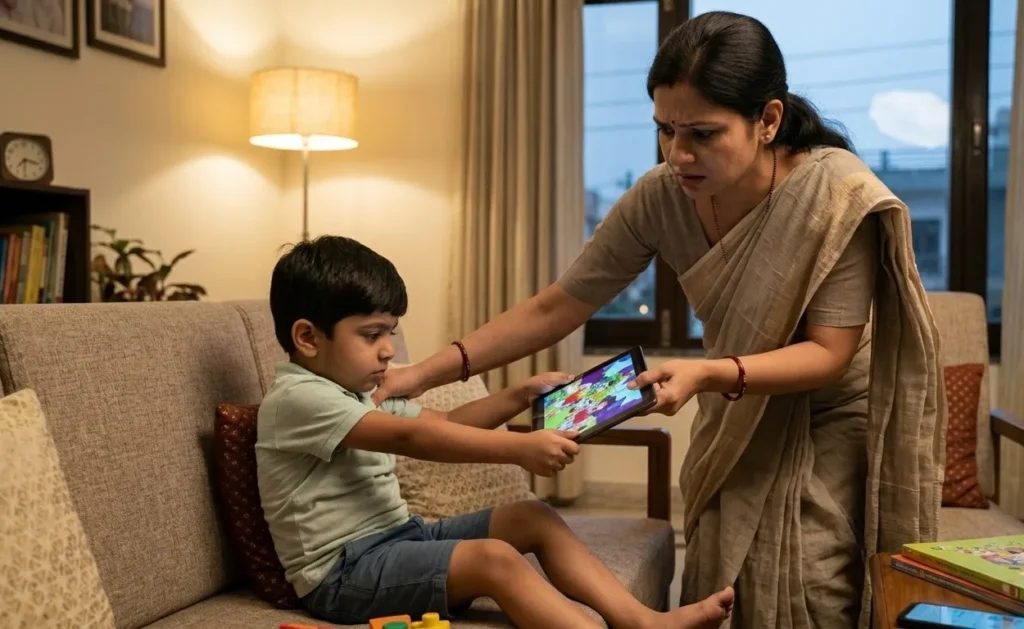
Table of Contents
Why Controlling Screen Time Is Important Today
Children today are growing up in a digital-first world. Screens are used not only for entertainment, but also for online learning, communication, and creativity. However, when screen time is not regulated, it can gradually lead to reduced attention span, poor sleep patterns, increased irritability, limited physical activity, and less interest in reading or outdoor play.
Research and child-development experts consistently highlight that screen time control for children is essential to support healthy growth-both mentally and physically. The goal is not to eliminate screens completely, but to help children use them wisely and in moderation.
Understanding Screen Time by Age Group
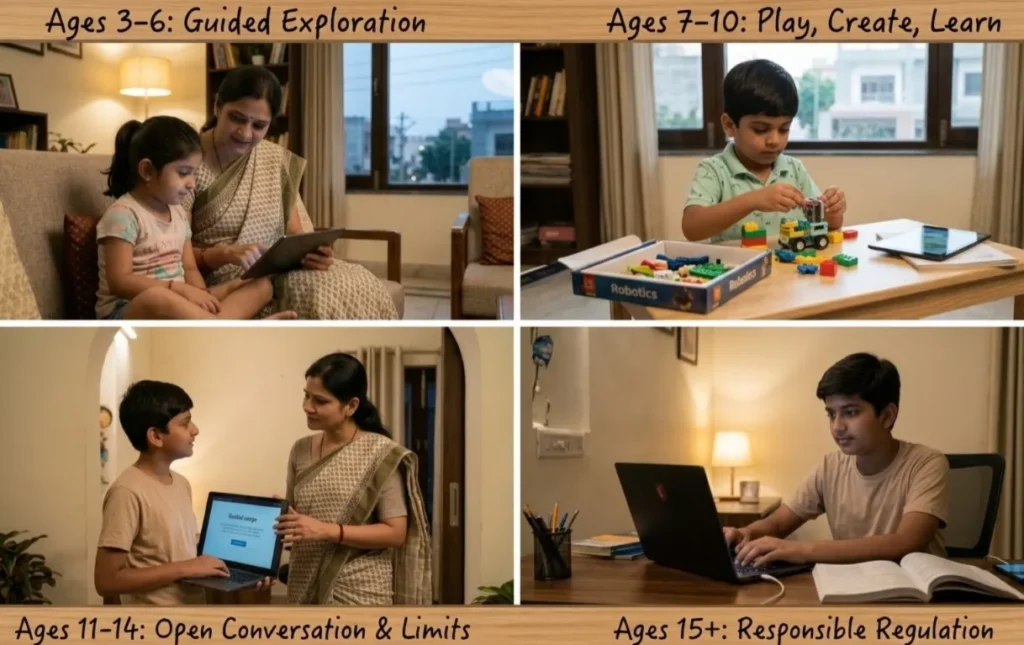
Before setting rules, it helps to understand what screen use should look like at different ages.
- Ages 3-6: Very limited screen exposure, focused on educational content and short durations
- Ages 7-10: Controlled screen time with clear limits, balanced with play and reading
- Ages 11-14: Guided usage with boundaries around gaming, social media, and video content
- Ages 15+: Self-regulation with parental guidance and open conversations
Every child is different, but age-appropriate boundaries help children develop healthy digital habits.
1. Set Clear Screen Time Rules (And Be Consistent)
Children respond better when expectations are clear.
Practical steps:
- Fix daily or weekly screen time limits
- Decide screen-free times (meals, bedtime, study hours)
- Keep rules consistent across weekdays and weekends
When rules are predictable, children are less likely to argue and more likely to cooperate.
2. Be a Role Model First
Children closely observe adult behaviour. If parents are constantly on their phones, children receive a mixed message.
Try to:
- Put your phone away during family time
- Avoid screens during meals
- Read books or newspapers in front of your child
Healthy screen habits start at home. Children imitate what they see, not what they are told.
3. Create Screen-Free Zones at Home
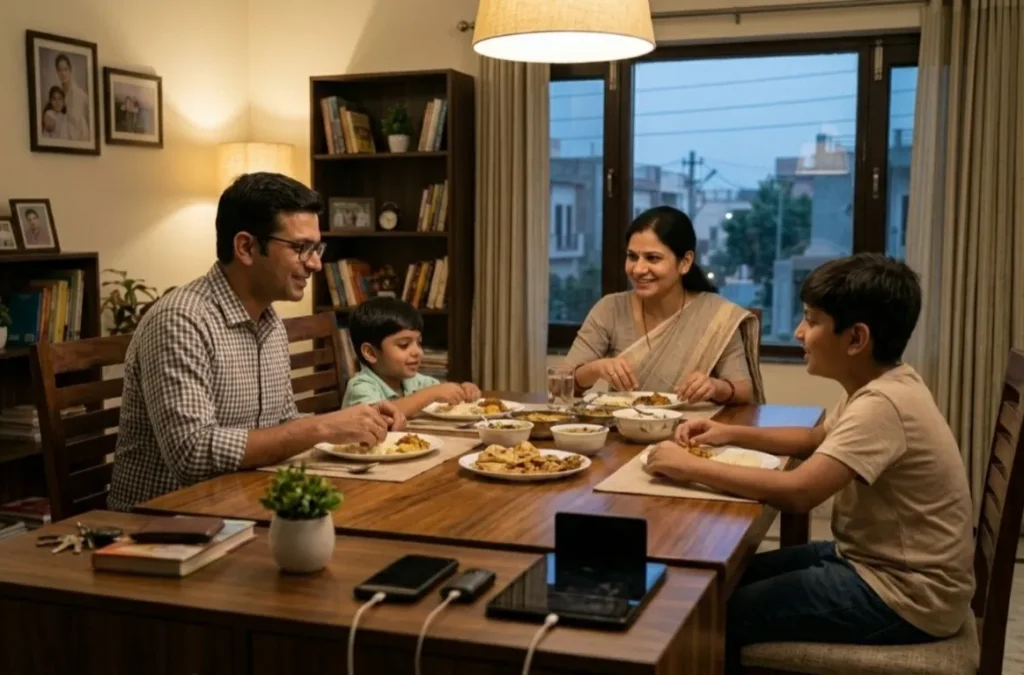
Designating certain areas as screen-free helps reduce mindless usage.
Good screen-free zones include:
- Dining area
- Bedrooms
- Study table
This simple change encourages children to associate different spaces with different activities-rest, focus, or family interaction.
4. Offer Engaging Alternatives to Screens
One reason children turn to screens is boredom. Replace screen time with interesting offline activities.
Encourage:
- Outdoor play and sports
- Reading storybooks or comics
- Drawing, art, and craft
- Board games and puzzles
- Music, dance, or hobby classes
When children find joy in other activities, screen dependency naturally reduces.
5. Use Technology to Manage Technology
Ironically, technology itself can help control screen time.
Parents can:
- Use parental control settings
- Set app time limits
- Block inappropriate content
- Monitor usage patterns
These tools support parents in maintaining safe and responsible screen usage without constant supervision.
6. Set a Healthy Digital Routine
Instead of random screen usage, create a structured digital routine.
For example:
- Screen time only after homework
- Limited gaming hours
- Educational content before entertainment
Routine helps children understand that screens are a part of life-not the centre of it.
7. Talk to Your Child (Don’t Just Enforce Rules)
Open communication builds trust and cooperation.
Talk about:
- Why screen limits exist
- How too much screen time affects sleep and health
- The importance of balance
When children understand why rules exist, they are more likely to follow them willingly.

8. Encourage Reading and Family Time
Reading is one of the most effective ways to reduce screen dependency.
Try:
- A daily family reading time
- Reading before bedtime instead of screens
- Discussing stories together
Family time-conversations, shared meals, and simple activities-also reduces the emotional need for screens.
Common Mistakes Parents Should Avoid
- Sudden removal of screens without explanation
- Using screens as rewards or punishment regularly
- Inconsistent rules
- Comparing screen habits with other children
Screen time management works best when it is gradual, calm, and consistent.
Long-Term Benefits of Healthy Screen Time Habits
Children who learn balanced screen usage early tend to:
- Develop better concentration
- Show improved academic performance
- Sleep better
- Engage more in real-world relationships
- Build self-discipline and responsibility
These skills support overall development and prepare children for future challenges.
Balance Is the Key
Screens are not the enemy-uncontrolled usage is. With thoughtful guidance, parents can help children enjoy technology without becoming dependent on it.
By setting boundaries, offering meaningful alternatives, and leading by example, families can create a healthier digital environment where children grow with confidence, focus, and balance.
Share this article