 2026-27 Admissions Open – Enrol Your Child Today!
Why Teachers Are the Heart of Every Great School
Before a student remembers a lesson, they often remember the teacher who made them believe they could learn it.
Think about the first teacher who made you feel confident. Maybe it was the teacher who patiently explained a difficult concept for the third time. Maybe it was someone who encouraged you to speak on stage when you were afraid. Or perhaps it was simply the teacher who noticed that you were having a difficult day and asked, “Are you okay?”
Years may pass, but moments like these often stay with us.
Schools have classrooms, books, technology, laboratories, sports facilities and countless opportunities for learning. But these things come alive through the people who use them every day. Teachers in school don’t simply complete lessons; they create experiences that help children learn, grow and believe in themselves.
That is why the importance of teachers goes far beyond academics. They shape the way students think, communicate, behave and face challenges. They help turn a school from a building into a community of learning, values and growth.
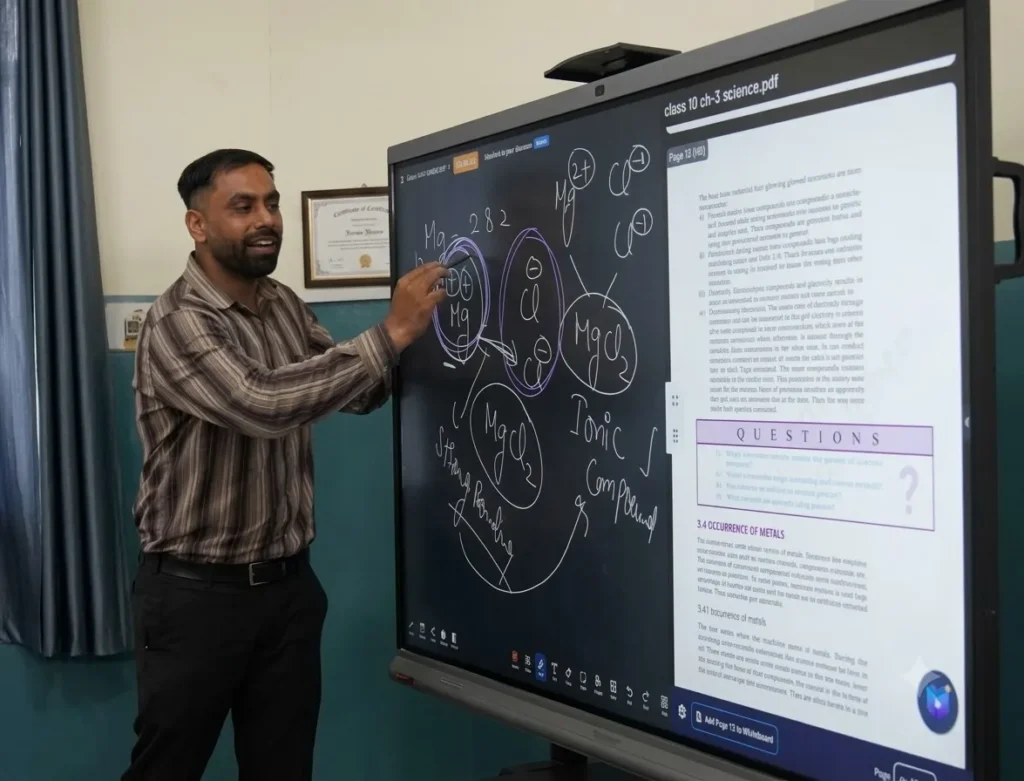
Table of Contents
The Role of Teachers in Education Goes Beyond Textbooks
Education is not just about remembering information. It is about understanding ideas, asking questions, finding solutions and learning how to use knowledge in real life. This is where the role of teachers in education becomes so important.
Teachers Make Learning Meaningful
A good teacher can take a difficult concept and make it feel simple, interesting and relevant. Instead of limiting learning to textbooks, teachers connect lessons with everyday experiences, activities, examples and real-world situations.
A science lesson can become an exploration. A mathematics problem can become a real-life challenge. A history chapter can become a story that helps students understand the world around them.
When students understand why they are learning something, learning becomes more meaningful.
Teachers Encourage Students to Think
The best classrooms are not always the quietest ones. They are often the classrooms where students feel comfortable asking questions. Teachers encourage children to wonder, question, analyse and explore. They don’t simply provide every answer; they help students discover how to find answers themselves. This develops problem-solving, creativity, critical thinking and independent learning-skills students will need long after they leave school.
Teachers Create a Safe Space to Learn
Every child makes mistakes. What matters is what happens next. A supportive teacher can turn a wrong answer into another opportunity to learn. By creating an environment where students can ask questions, express ideas and try again without fear of embarrassment, teachers build confidence alongside knowledge. A classroom becomes a better place to learn when students feel respected, encouraged and heard.
Teachers Recognise Every Child's Potential
No two students learn in exactly the same way. Some may understand a concept quickly, while others need more time. Some may be confident speakers, while others shine through art, sports, technology or quiet creativity. Teachers observe these differences. They identify strengths, recognise challenges and encourage students to keep moving forward. Sometimes, a teacher sees potential in a child before the child sees it in themselves.
The Role of Teachers in Student Life: Mentor, Guide and Role Model
The role of teachers in student life extends far beyond academic performance. During their formative years, students learn from teachers not only through textbooks but also through everyday guidance, encouragement and example.
Teachers help students build confidence, discipline and responsibility. They encourage communication, teamwork and respect, while helping children set goals, face setbacks and understand that progress takes patience and persistence.
This is where a teacher as a mentor can make a lasting difference. A teacher may teach Mathematics, Science or English, but a mentor helps students recognise their strengths, navigate challenges, make thoughtful choices and believe in their potential.
Sometimes, a student’s most important lesson isn’t written on the board. It can be a few words of encouragement before an examination, a second chance after a mistake or simply a teacher saying, “I know you can do better.”
A teacher may help a student prepare for a test. A great teacher can help that student prepare for life.
The Teacher-Student Relationship - Where Real Learning Begins
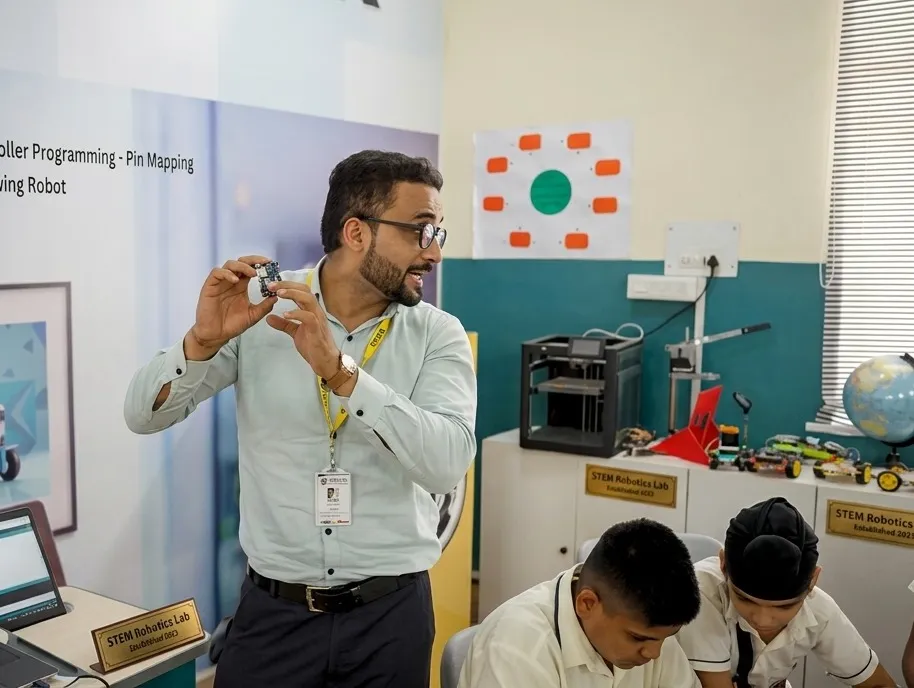
Learning becomes more powerful when it is built on trust. A positive teacher student relationship gives students the confidence to ask questions, share their ideas and seek help when they need it. It is built through respect, patience, communication and understanding.
When students feel seen, heard and supported, they are more likely to participate actively in the classroom. They become more comfortable making mistakes and more willing to challenge themselves.
For teachers, this relationship also means understanding that every student has a different story. Behind a quiet student may be a child who needs encouragement. Behind a distracted student may be someone struggling with confidence. Behind an average score may be a learner with tremendous potential. Great teaching begins when teachers see the student-not just the marks.
What Makes Great Teachers Different?
Great teachers listen. They don’t only hear students’ answers; they pay attention to their questions, concerns and ideas. They understand that listening is an important part of teaching.
Great teachers inspire curiosity. They encourage students to look beyond the textbook and discover the “what,” “how” and, most importantly, the “why” behind what they learn.
Great teachers believe in their students. They recognise potential even when students may doubt themselves. Their encouragement can give a child the confidence to try one more time.
Great teachers keep learning too. Education continues to evolve, and effective educators continue to improve their knowledge, teaching methods and understanding of their students.
Great teachers lead by example. Students learn values not only from what teachers say but also from what they see-patience, fairness, discipline, kindness, curiosity and respect.
Qualities of a Good Teacher That Leave a Lasting Impact
The qualities of a good teacher go far beyond subject knowledge. Patience helps teachers understand that every child learns differently. Empathy allows them to recognise what students may be experiencing. Strong communication helps them explain ideas clearly and build meaningful connections. Adaptability allows them to respond to different learning needs, while creativity makes lessons more engaging and memorable.
A positive attitude can make students feel encouraged, while the ability to motivate can turn hesitation into action. Fairness builds trust, and a genuine commitment to every learner reminds students that their growth matters.
Celebrating the Teachers Who Shape Tomorrow
Teachers’ Day is a reminder to celebrate the people who do more than teach lessons – they build confidence, nurture curiosity, shape character and inspire students to believe in themselves. The importance of teachers extends beyond the classroom, as teachers in school help create a positive learning culture, guide students and strengthen the connection between schools, families and communities.
For the Rysen Group of Schools, teachers are an essential part of this journey across every campus in Rajasthan. Their patience, encouragement and dedication help turn everyday learning into experiences that stay with students for life.
Because behind every confident learner, responsible citizen and bright future, there is often a teacher who chose to believe in them.
This Teachers’ Day, we celebrate every teacher who teaches, guides, listens, encourages and inspires. Thank you for shaping tomorrow, one student at a time.
Share this article
Frequently Asked QUESTIONS
Q1. Why are teachers important in education?
The importance of teachers lies in their ability to make learning meaningful, understand individual student needs, encourage critical thinking and support both academic and personal development. Teachers help students turn knowledge into understanding and skills.
Q2. What is the role of teachers in student life?
The role of teachers in student life goes beyond academics. Teachers help students build confidence, discipline, communication skills, teamwork, responsibility and positive values while encouraging them to set goals and face challenges.
Q3. What is the role of a teacher in school?
Teachers in school support learning, create positive classroom environments, guide students, communicate with parents, encourage participation and contribute to the overall culture and development of the school community.
Q4. What makes a great teacher?
Great teachers listen to their students, inspire curiosity, recognise individual potential, continue learning themselves and lead by example. They combine knowledge with patience, empathy and genuine care for their students.
Q4. What are the qualities of a good teacher?
Important qualities of a good teacher include patience, empathy, communication, subject knowledge, adaptability, creativity, fairness, a positive attitude and the ability to motivate and support every learner.
Q4. How can a teacher become a mentor to students?
A teacher as a mentor listens to students, understands their strengths and challenges, provides guidance, encourages good decisions, supports their goals and helps them develop confidence and independence.